
Contact with nature, beyond being a pleasant feeling, is a form of preventive and restorative medicine. Multiple scientific studies show that spending time in nature improves physical, mental, and emotional health.
Whether in forests, beaches, gardens, or mountains, nature offers a safe haven for rest, renewal, and inner peace.
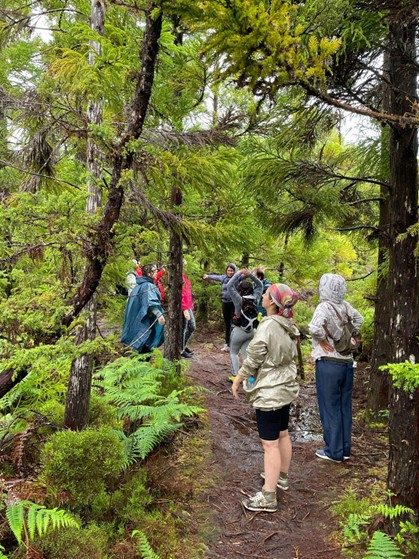
Stress and Anxiety Reduction Through Nature
The demands of modern life, especially in urban environments, often lead to high levels of stress.
The good news? This effect can be reversed with a healthy dose of nature.
A UK study involving 19,806 adults found that people who spend at least 120 minutes per week in natural settings are significantly more likely to report good health and well-being.
Researchers observed that from two hours per week (whether in a single visit or several shorter visits), the likelihood of reporting good health increased sharply, peaking between 200 and 300 minutes per week.
Published in Scientific Reports (2019), the study also showed that these benefits are consistent across different social groups, including older adults and people with chronic health conditions.
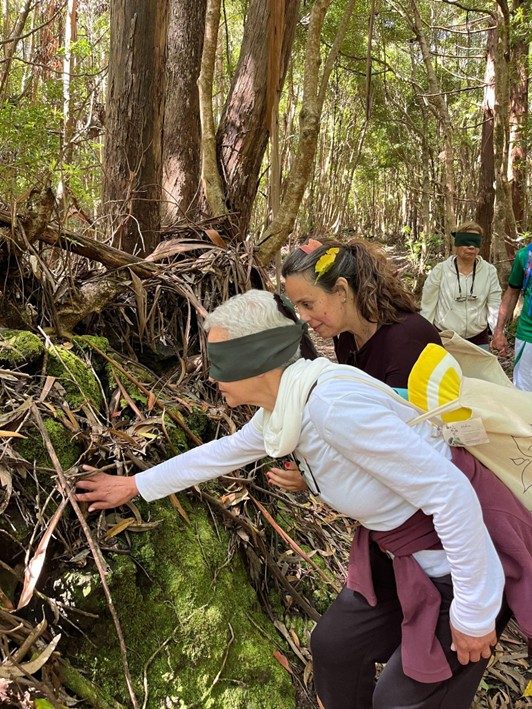
How Nature Improves Memory and Concentration
Nature nurtures the mind as much as the body. Psychologists at the University of Michigan (USA) studied the impact of a simple walk in a park on short-term memory.
In a trial with 20 people diagnosed with depression, participants took a 50-minute walk either in a wooded park or in an urban area.
After the walk, those in the park showed a significant improvement in memory capacity and mood.
This effect is explained by the Attention Restoration Theory: natural environments create a soft fascination that allows the brain to rest from intense city stimuli, restoring focus and cognitive function.
Nature and Emotional Well-Being: Scientific Evidence
The 2019 UK study didn’t just measure physical health.
Researchers also found that spending time in nature measurably improves emotional well-being.
At least two hours per week outdoors increases the likelihood of reporting high levels of happiness, life satisfaction, and lower stress.
Participants reported feeling calmer, happier, and more relaxed.
These results suggest that nature can be a valuable complement for those seeking to relieve symptoms of anxiety and depression.
Shinrin-yoku: Forest Bathing and Physical Health
Some studies show that forest bathing, known in Japan as Shinrin-yoku, can:
- Reduce blood pressure
- Lower cortisol (the stress hormone)
- Increase the activity of NK cells (natural killer immune cells)
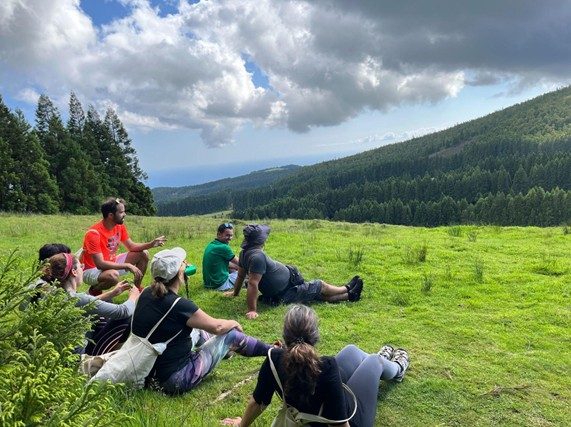
While these findings originate mainly from Japanese research, “nature prescription” programs are now emerging in Europe and the US, integrating park and forest walks into the routine of patients with stress and anxiety.
Simple Ways to Bring More Nature Into Your Life
The benefits described do not require long trips.
Small, regular actions can make a big difference:
- Walking in a local park
- Exercising outdoors
- Gardening
- Sitting in a garden during your lunch break
Regularity is key: two hours per week appears to be the minimum for clear benefits.
For some, small daily doses (10–20 minutes) are easier to integrate, while others prefer longer weekend escapes.
Conclusion
Science is clear: nature heals.
Regular exposure to natural environments reduces stress, boosts physical health, improves memory and focus, and elevates mood. Instead of seeing a walk in the park as an occasional activity, think of it as a natural therapy.
Whether through a seaside walk, a wellness retreat in the Azores, or a moment of quiet contemplation in your garden, giving yourself time in nature is an investment in your health and well-being.
Experience the healing power of nature in the Azores
If you want to experience these benefits intensively and transformatively, join the Eco Serenity Retreat by Satya Moments Azores Retreats, on Terceira Island, Azores. Four days of yoga, meditation, nature, and healthy plant-based cuisine in a premium eco-lodge.
Learn more and secure your spot here » Retreats


